

Beyond Borders: Mapping the Continental Journey of the Americas’ Swallows
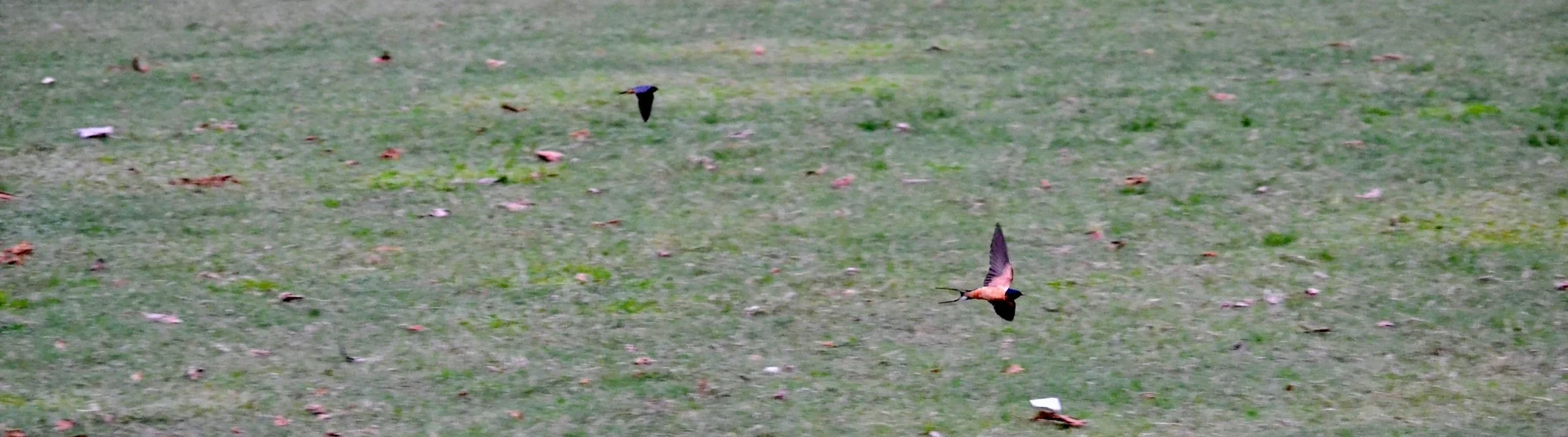
Imagine embarking on a 8,000-km (5,000-mile) road trip where every familiar rest stop might disappear without warning.
For a migratory swallow, this isn’t a hypothetical exercise, it is reality. Every autumn, millions of Barn, Bank, and Cliff Swallows leave their breeding grounds in North America to travel south to Central and South America. They cross oceans, forests, wetlands, and cities. Then, a few months later, they do it all in reverse.
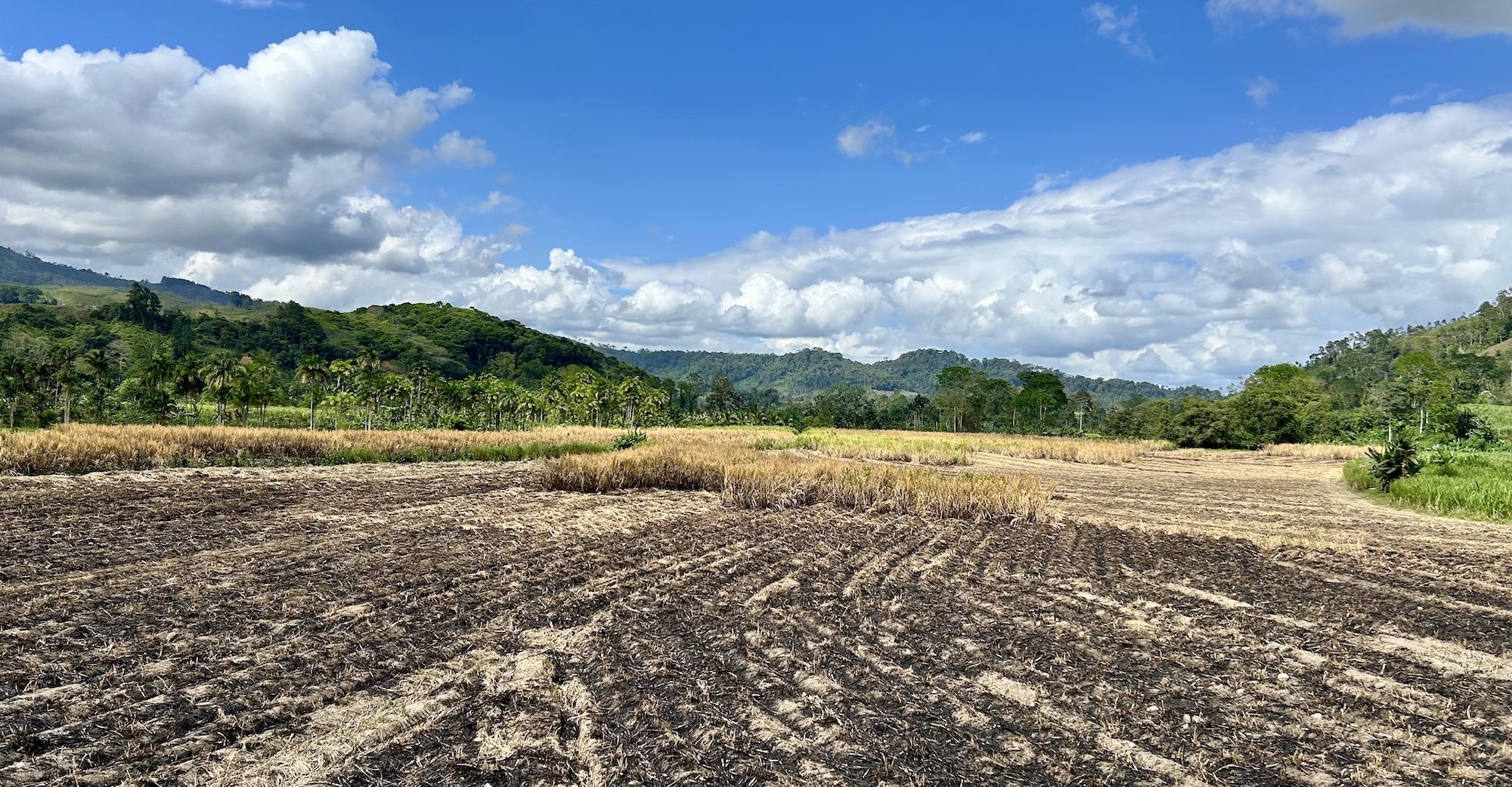
These birds are aerial insectivores, meaning they hunt insects mid-flight. To a swallow, the American continent isn't divided by international borders; it’s a mosaic of constantly shifting feeding grounds. A pristine wetland today might become an urban development next month; a rich sugarcane field might be burned clean by harvest time.
Because swallows encounter dozens of different pressures along their route, from pesticide use and habitat loss to climate shifts, no single location holds the answer to why their numbers are declining. We have to look at the whole picture.
Connecting the Dots with High-Tech Tracking
To protect these birds, The GAAP, in collaboration with Environment and Climate Change Canada, is working to solve a cross-continental jigsaw puzzle: Where do they go, when do they go there, and what do they need to survive the journey?
We rely on three primary tools to follow them:
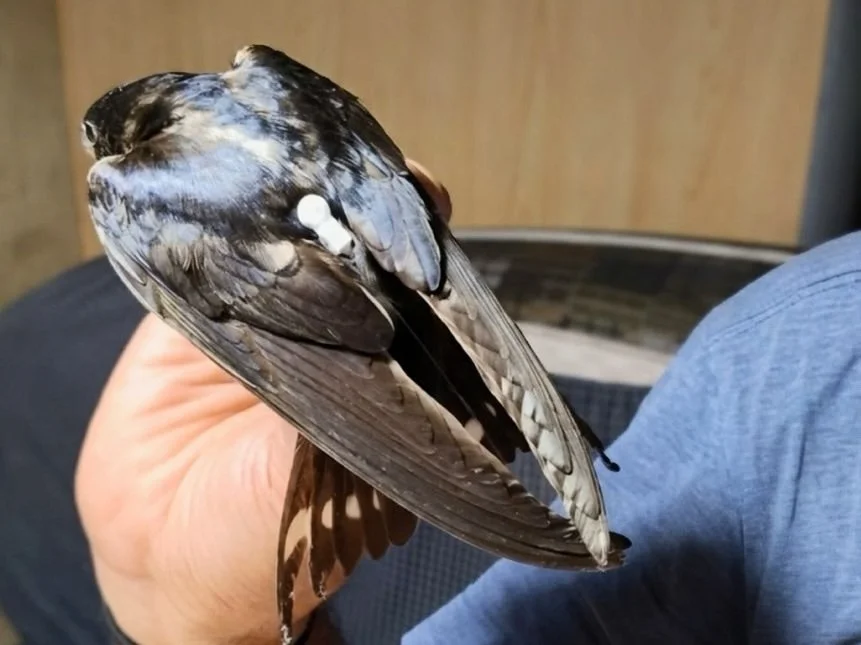
Motus Tracking Technology: We attach micro-transmitters called nanotags to individual swallows. As a tagged bird flies past a ground receiving station, the station logs its exact location, giving us a real-time track of its route.
Feather Isotope & Genetic Analysis: A single feather holds chemical signatures from the region where it grew. By analyzing these isotopes and genes, we can trace a bird's geographic origin without having to follow every step of its flight.
Decoding the Landscape: Satellite views only tell part of the story. On the ground, we directly measure the structure and plant composition of the habitats swallows use, from vegetation density to crop species, to uncover precisely which landscape features provide the richest feeding grounds.
Conservation Without Boundaries
A swallow doesn't stay in one sanctuary or one country. A change in agricultural practices in Central America can directly impact whether a bird makes it back to its nesting grounds in Canada.
By tracking both the birds and the dynamic landscapes they rely on, we are uncovering how local land management, from farming cycles to grassland restoration, can be optimized to support migratory birds while sustaining human livelihoods. Protecting these incredible travelers requires looking at the big picture, and considering the people, the animals, and the environment in the different places these tiny birds occupy.