What Can a Cat’s Smile Tell Us About their Health from 6,300km Away?
Have you ever wondered how much a single photograph can reveal about an animal’s health? Or how a veterinarian thousands of miles away can safely prescribe lifesaving preventive treatments without ever stepping foot in the room with the animal?
At The GAAP, we believe every animal deserves compassionate, high-quality care, no matter how remote their community. For years, Andrés, a trained community animal health worker, has been the heartbeat of preventative care for dogs in Todos Santos, Guatemala. Thanks to a core group of dedicated supporters, last year we officially expanded Andrés’ training to include feline health, offering cats in the area the care they need and deserve.
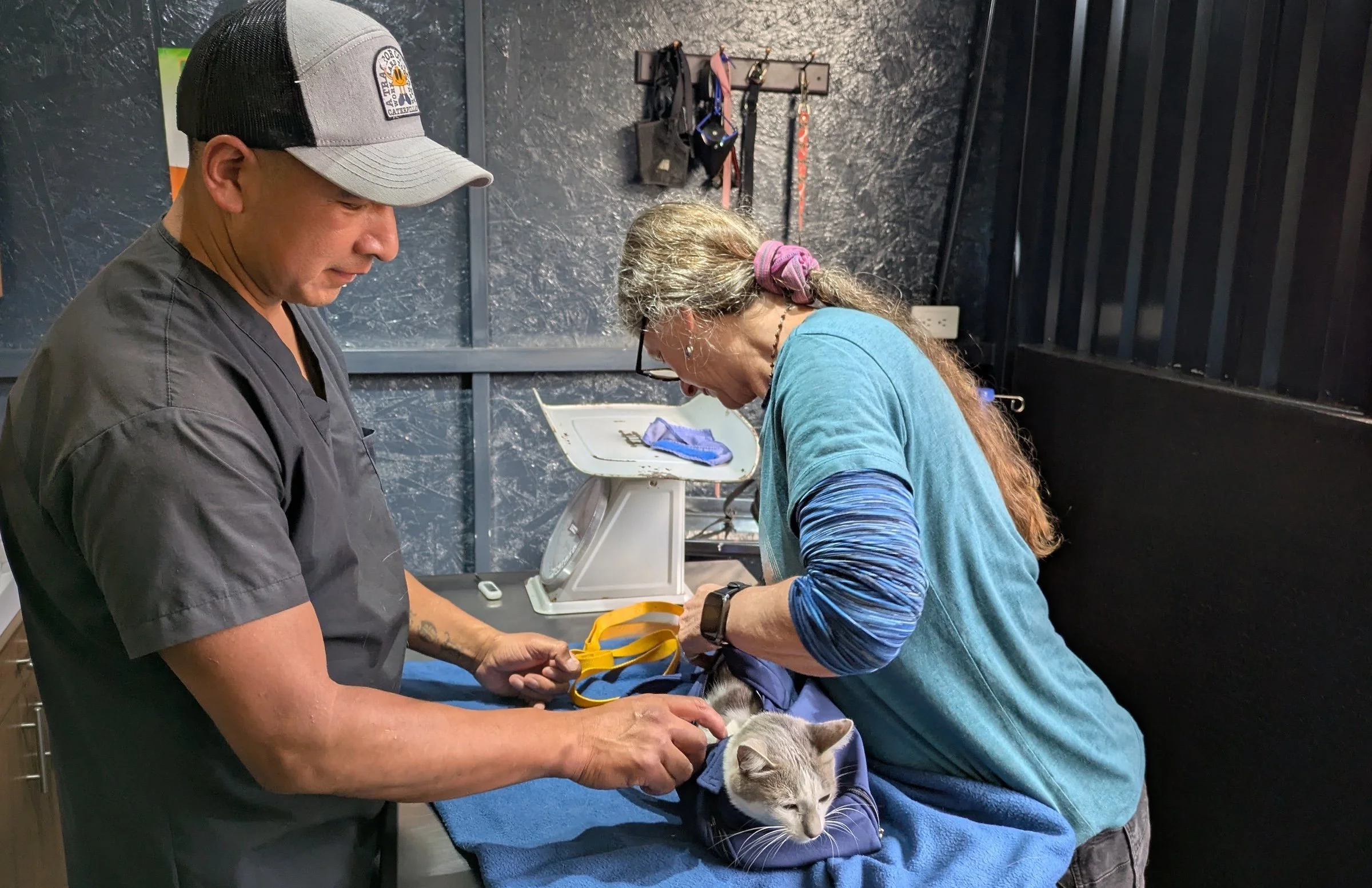
Because specialized veterinarians cannot always be physically present in every rural village around the world, we rely on our innovative telemedicine approach to help meet the most essential animal health needs, deliver preventive care, and help to reduce suffering or determine when an animal must be referred to the nearest veterinary clinic. In this case, Andrés acts as our eyes, ears, and hands on the ground, conducting physical exams and capturing diagnostic photos and videos. Thanks to Daysmart veterinary software, The GAAP’s dedicated telemedicine veterinarian reviews that information in real time from Chile as soon as it’s uploaded, meaning she can evaluate the case, prescribe precise treatments, and guide Andrés on implementing each step of the plan.
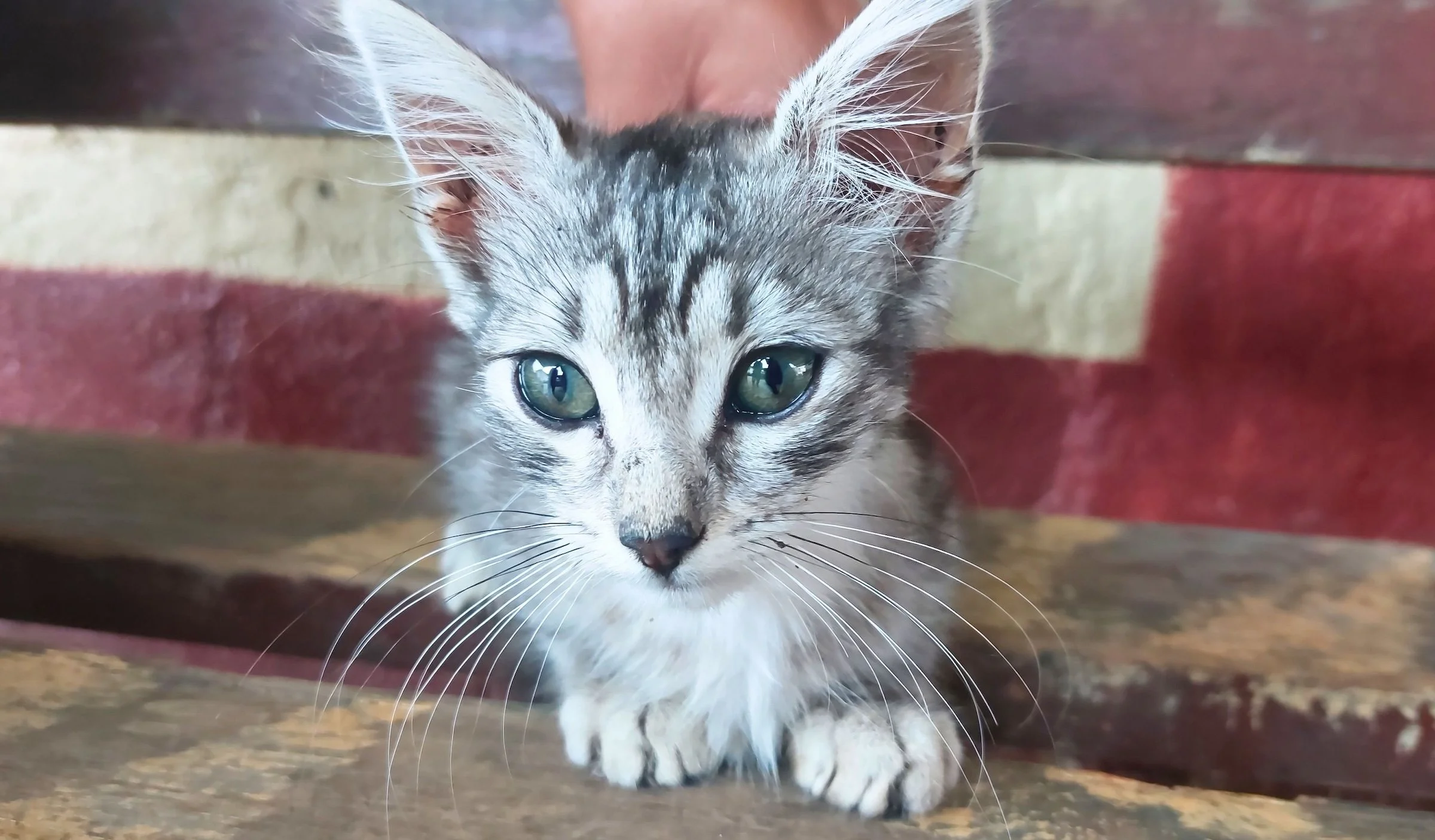
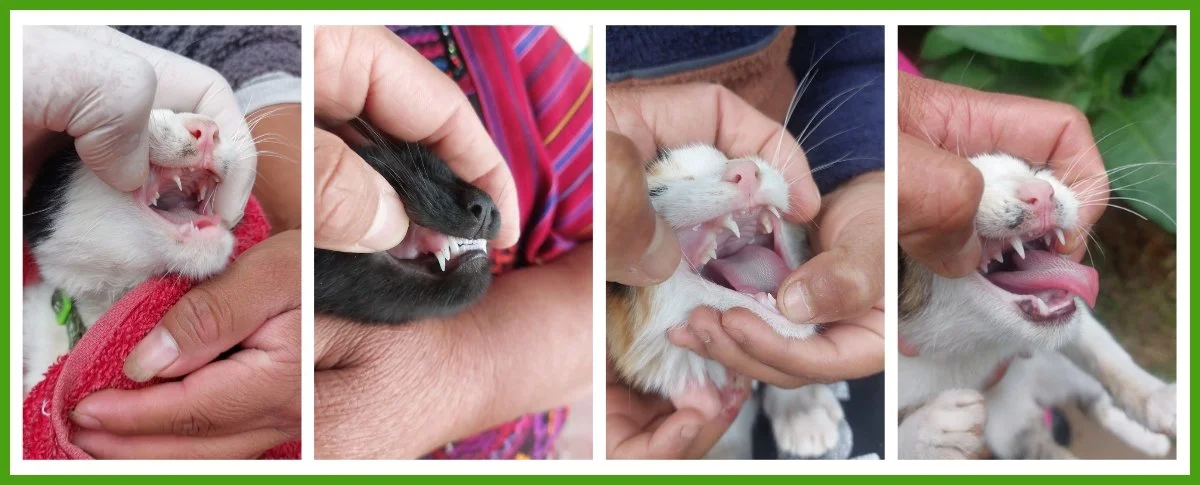
Recently, our team has been requesting a very specific type of diagnostic photo from the field: close-ups of a cat’s mouth and teeth.
But, what secrets do feline teeth hold about an animal's age, organ health, and overall well-being?
It turns out, a simple look inside a cat's mouth offers critical insights into their health. Here is why telemedicine - and teledentistry - is saving lives in Todos Santos, and what you, as a pet owner, can learn from it to keep your own cat healthy!
1. Estimating Age to Guarantee Medication Safety
Did you know that weight alone isn't always a reliable way to tell how old a cat is?
Cats in Todos Santos often live very different lives compared to typical indoor pets elsewhere. Due to environmental factors and nutrition, they tend to be much smaller. During our field campaigns, we routinely care for adult mothers who weigh barely 2 kilograms (4.4 lbs) while nursing litters!
When a cat’s body weight doesn’t match their reported age, how can a remote veterinarian know their true stage of life? By having Andrés take a quick photo of their teeth, our vets can check whether a cat still has baby teeth or full adult teeth.
Why this matters: Essential preventative medications, including specific dewormers and vaccines, have strict minimum age and weight limits. Verifying a cat’s true age ensures the prescribed dose is safe and effective.
2. What Gum Color Reveals About Overall Health
Did you know that a cat's gums act as a direct window into their circulatory system and organ health?
During telemedicine check-ups, Andrés sends photos of a cat’s gums and short videos showing Capillary Refill Time, how quickly color returns after gentle pressure.
Here is what different gum colors reveal to a trained veterinarian:
Healthy Pale Pink: Signals good blood circulation and oxygenation.
Pale or White: Can indicate severe anemia, shock, or high parasite burdens.
Yellow (Jaundice): Points to serious liver dysfunction or red blood cell breakdown.
A Sobering Case: A few months ago, Andrés sent photos of a cat named Wish. Her gums were bright yellow—a classic sign of advanced jaundice. While Wish’s illness was sadly too far advanced to save her, having this clear diagnostic photo allowed our veterinary team to immediately evaluate her condition and ensure she was given compassionate end-of-life care. Cats like Wish remind us why remote diagnostic tools are so vital in determining the most appropriate course of action toward recovery or at least pain management.
3. Protecting Community Health
Can consistent, individual care change the health of an entire community?
While assessing one cat’s smile may not seem like a path to improving the health and welfare of a whole community, it is most certainly an important step! When we focus on building trust and ensuring comfort and safety, as well as integrating timely and relevant education into each interaction, we are laying the foundation for large-scale change.
For example, in rural areas like Todos Santos, annual community rabies vaccination drives historically see low feline participation because crowded events stress cats, causing many to run off. Thus, massive campaigns are important but not always as effective as they could be for cats in particular.
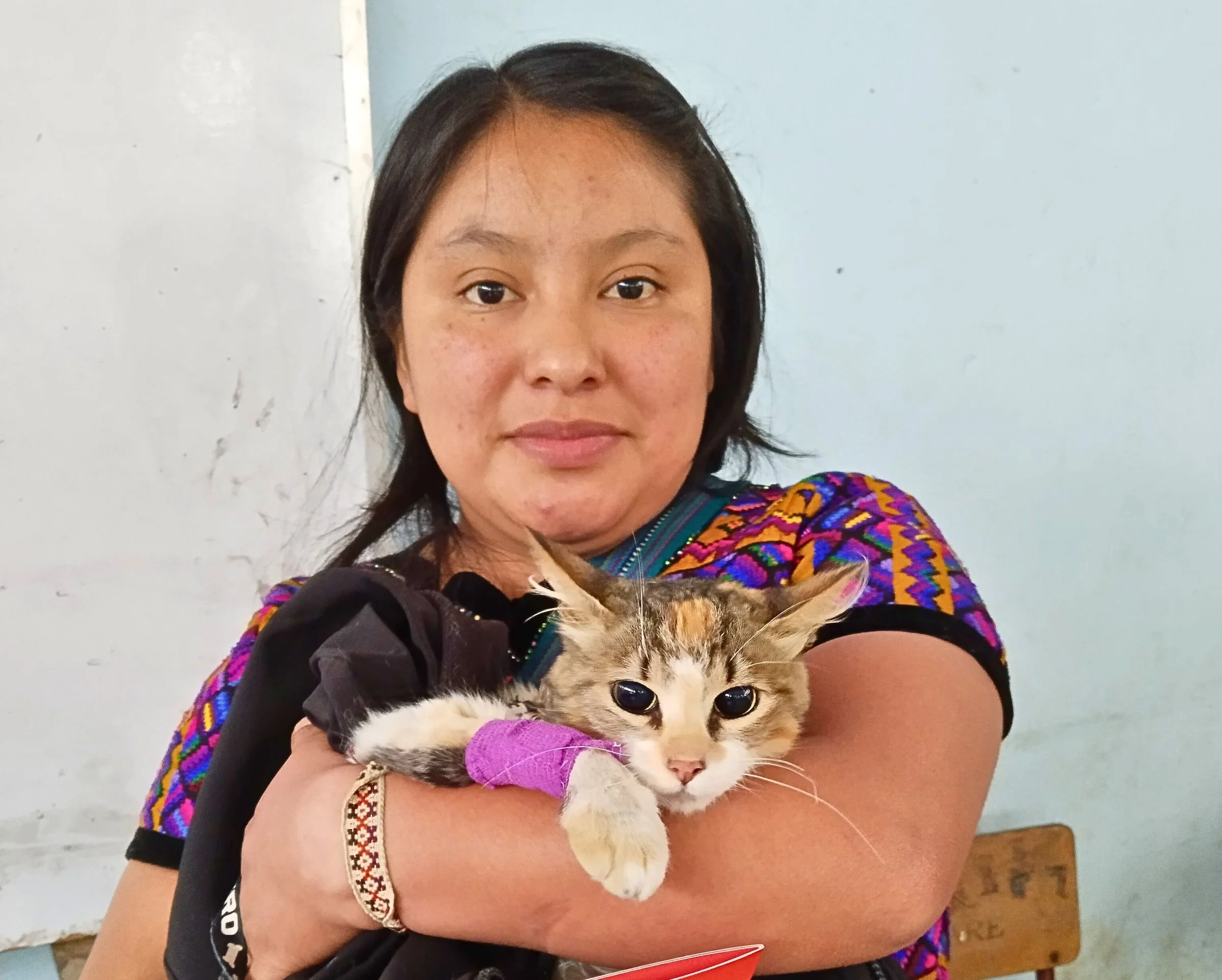
By working directly with owners in calm, familiar home settings, Andrés uses gentle handling techniques like special holding maneuvers or cat handling bags to safely examine and vaccinate cats. With these regular efforts and a growing sense of trust in our work, we are significantly boosting rabies protection across the feline population in Todos Santos, safeguarding both animal and human health!
4. Practical Tips: What to Watch for at Home
How often do you check inside your own cat's mouth? For most pet owners, examining a feline mouth can be tricky. Cats are famous for guarding their mouths using their best weapons: their claws and teeth! However, watching for subtle warning signs can help you catch health issues before they become emergencies.
Contact your veterinarian if you notice any of these red flags:
Sensitivity or Pain: Pulling away or vocalizing when you touch their cheeks or jaw.
Chewing Difficulties: Chewing on one side, dropping kibble, or hesitating at mealtime.
Physical Changes: Loose, missing, or broken teeth, or inflamed red gumlines.
Swelling: Unexplained bumps around the snout, jawline, or under the tongue.
Drooling or Odor: Sudden, heavy salivation or strong, foul breath.
How You Can Help
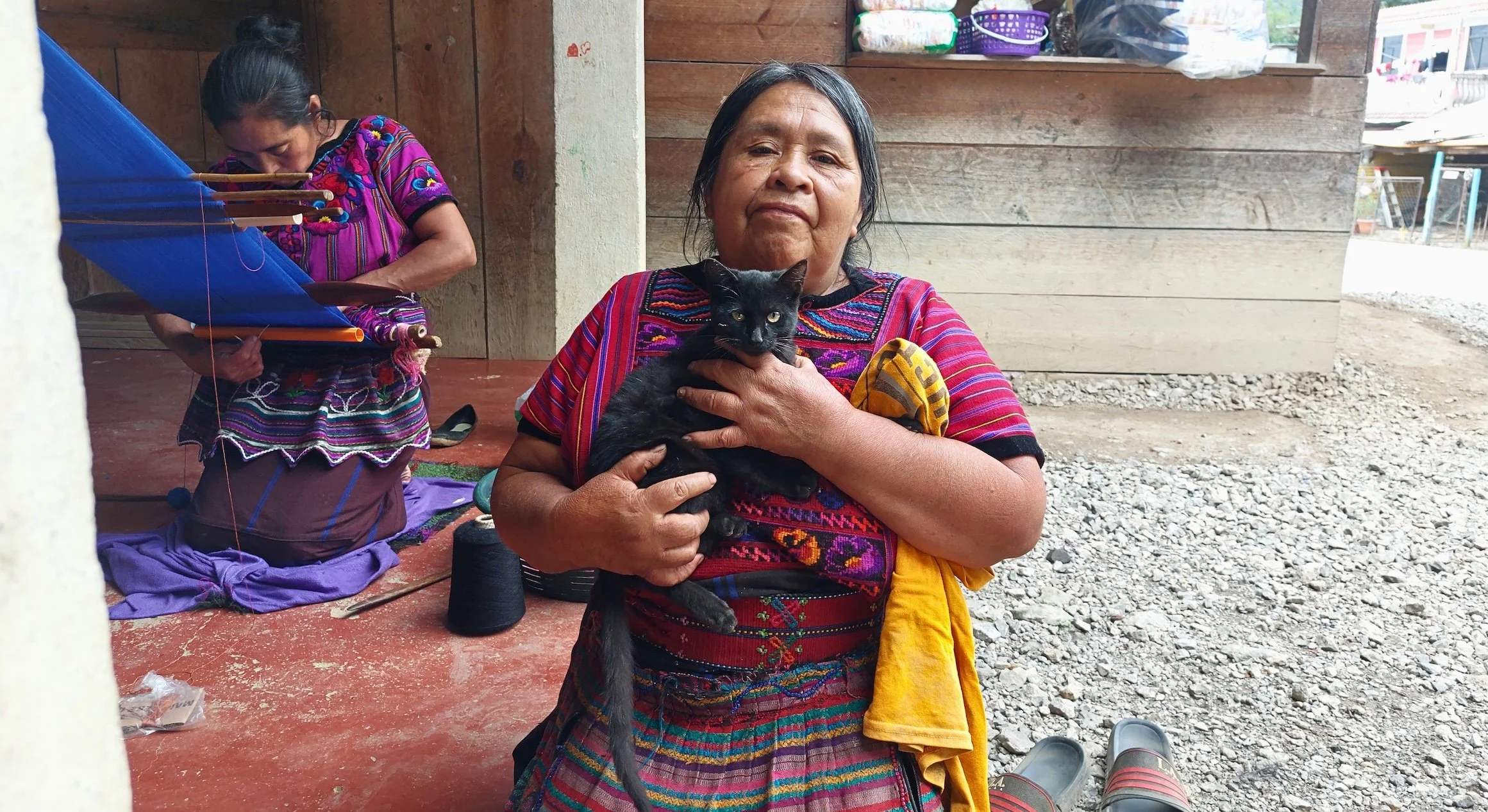
Every cat’s smile and accompanying assessment, every vaccine administered, and every treatment supervised from afar is made possible by supporters like you. By donating to The GAAP’s Telemedicine Project, you provide cats and dogs with essential care that they would not otherwise receive. If you believe that all animals deserve a chance at a healthy, happy life, consider a gift today. Any amount can make a big difference!
Together, with each photo sent and treatment delivered, we are transforming animal welfare, one cat or dog at a time!