

Behind the "Cute": The Fragile Reality of Saving Costa Rica’s Sloths
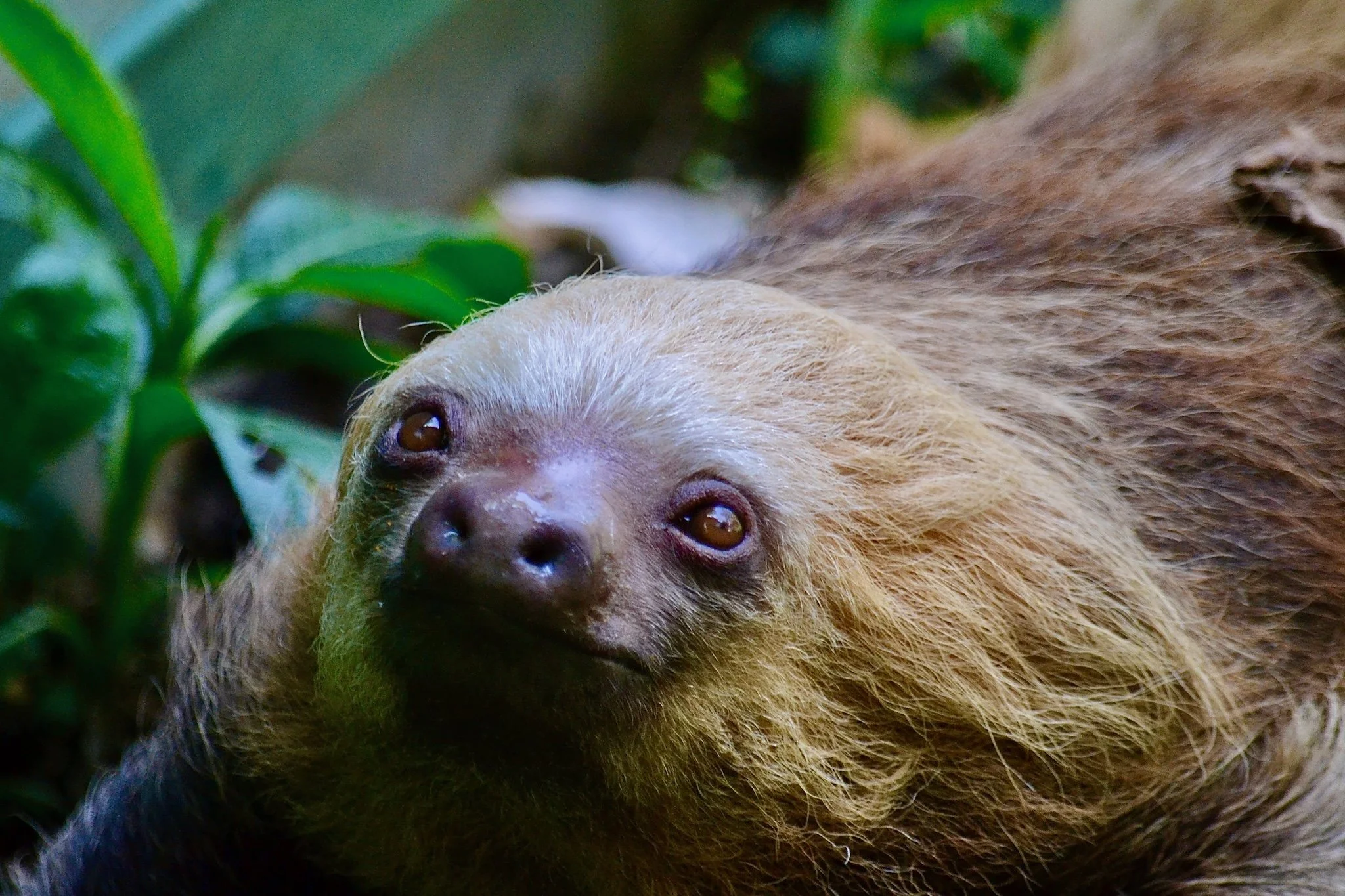
Costa Rica’s sloths are global icons of tropical peace and charm. But behind the slow-motion smiles lies a much harsher reality. In a rapidly developing Costa Rica, sloths are facing a quiet crisis, and saving them is a complex and multifaceted challenge.
The Invisible Threats among the Canopy
Costa Rica is world-renowned for its biodiversity, but urban expansion and agricultural fragmentation are carving up the rainforest. For a creature designed to spend most of its life in a continuous tree canopy, a gap in the trees is a life-threatening obstacle.
When the canopy is cut down, sloths face three major modern threats:
The Power Line Trap: Uninsulated power lines look just like convenient branches to a sloth. Tragically, sloths account for over 50% of all wildlife electrocutions in Costa Rica. The survival rate is a devastating 25%, and survivors often require limb amputations.
The Domestic Dog Conflict: When they are forced to come down to the ground to defecate or to cross a gap between fragmented trees, sloths’ natural camouflage does little to protect them, leaving them vulnerable to predators. Sadly, as urban expansion brings people closer to sloth habitats, those helpless moments on the ground put them in close proximity to a new threat: man’s best friend. Attacks by free-roaming or unsupervised domestic dogs have become one of the leading causes of severe trauma and death for both adult and baby sloths.
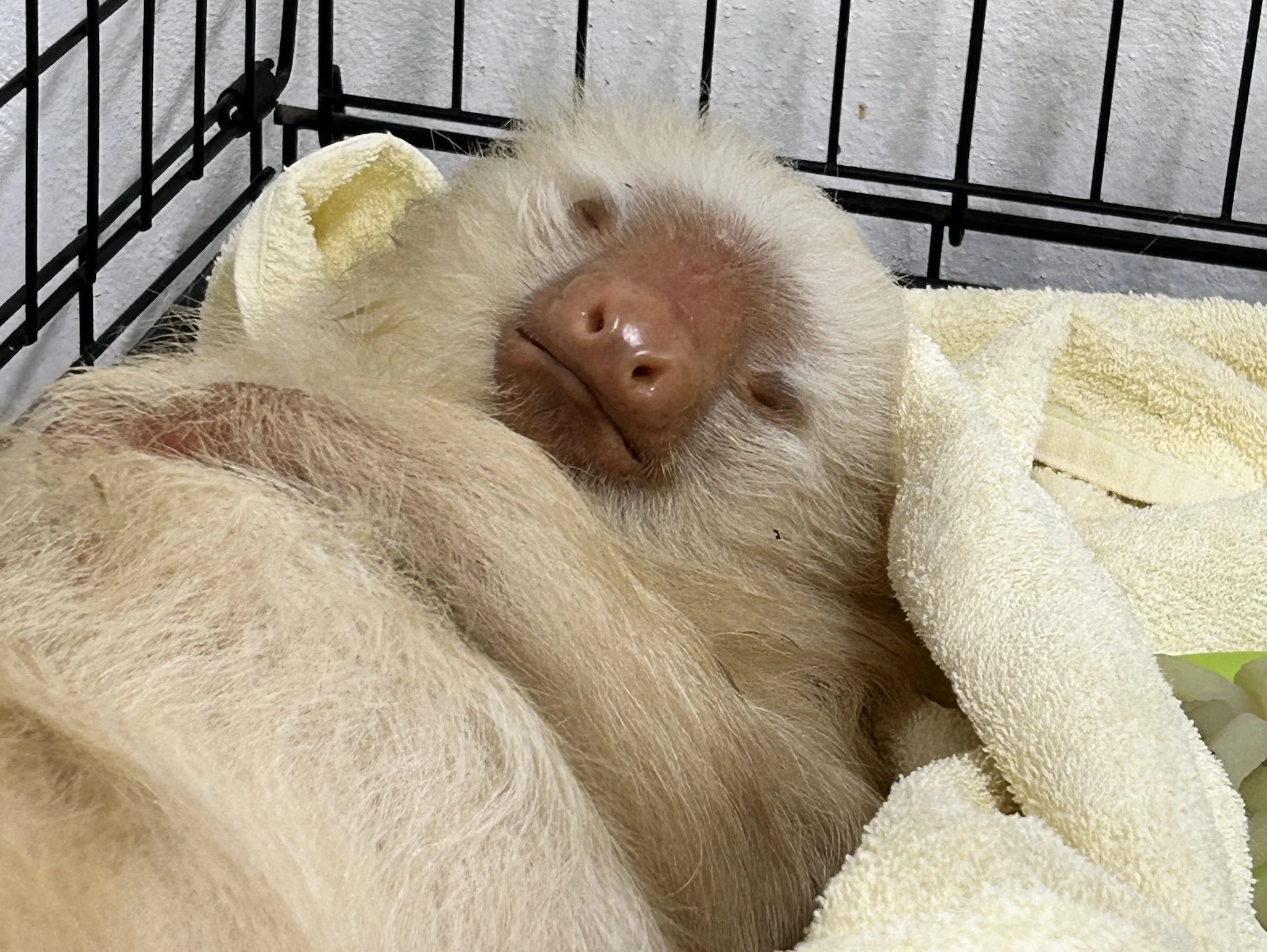
Genetic Isolation: Because groups of sloths are being physically cut off from one another by roads and developments, scientists are seeing a worrying spike in birth defects, like missing fingers, malformed limbs, and albinism, caused by forced inbreeding.
The Hidden Hurdles of Rehab and Release
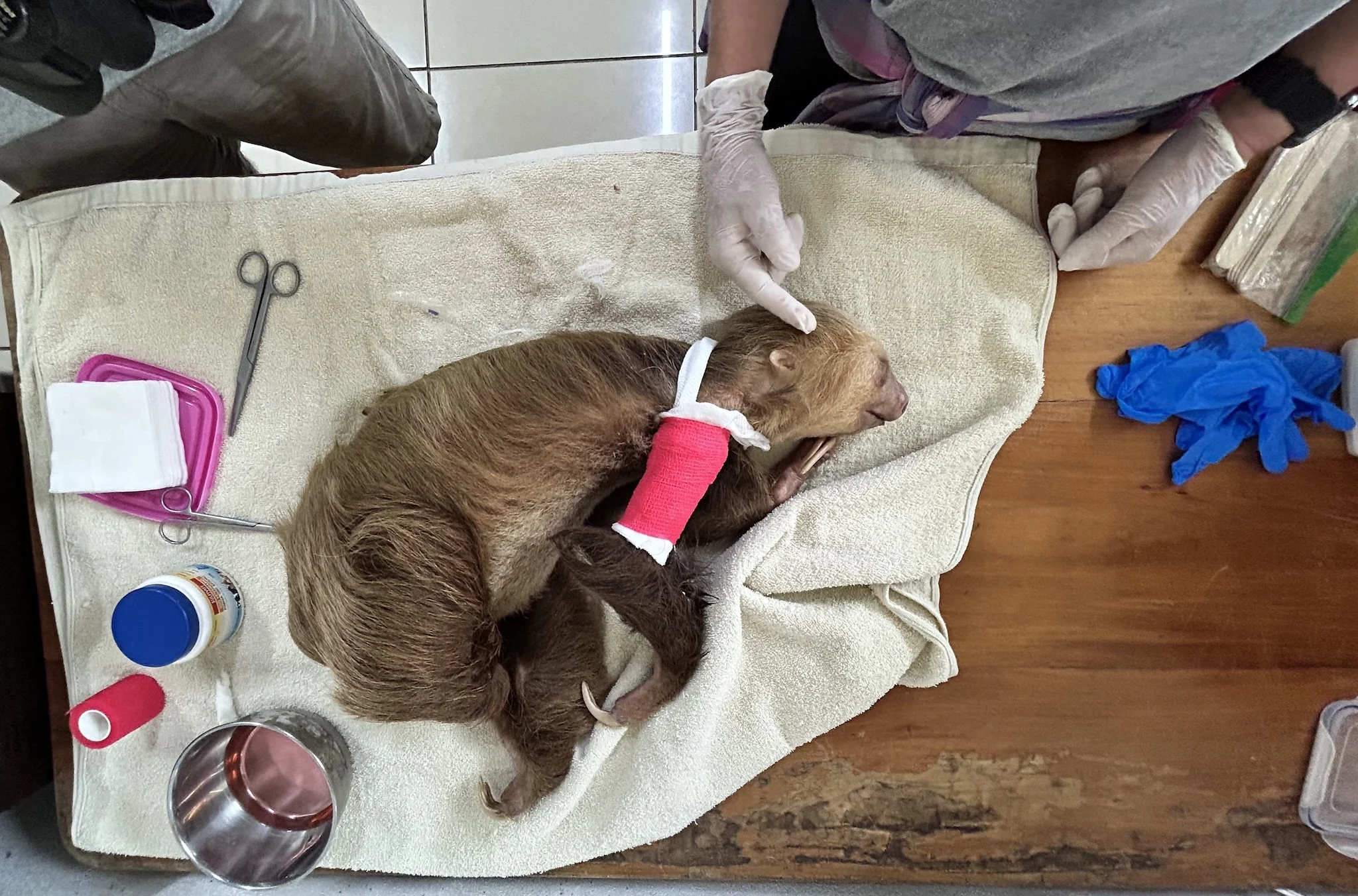
When an injured or orphaned sloth is rescued, the road to recovery is long, expensive, and precarious.
Sloths possess a highly specialized leaf-based diet and an incredibly slow metabolism. Because of this, their bodies process medication differently than other mammals, making veterinary care a constant balancing act. Dog bites, in particular, present a risk of severe, deep-tissue bacterial infections that require aggressive but highly tailored antibiotic treatments.
Furthermore, sloths are highly sensitive to stress. Studies show that being handled by unfamiliar humans causes tachycardia (an abnormally high heart rate) that can permanently damage their heart function. True rehabilitation centers must operate under strict "no-touch" policies for the public to prevent these animals from literally dying of stress.
Teaching an orphaned baby sloth how to be a sloth (things like how to climb, which leaves are safe to eat, and how to survive wild predators) takes years of dedicated, expert care before they can safely be released back into the wild.
Moving Forward: What The GAAP is Doing
Currently, there are massive gaps in funding for critical safety infrastructure like canopy rope bridges ("sloth speedways"), power line insulation, and behavioral and habitat occupancy research. There is also a vital need for community education around responsible pet ownership to keep domestic dogs and vulnerable wildlife separated.
This is where community-driven, collaborative conservation comes in. At The GAAP, we believe in the One Health approach, meaning the health of animals (both wild and domestic), people, and our shared environment are entirely interconnected. Currently, we are proud to partner with two incredible local organizations in Costa Rica that are working directly on the front lines of sloth rescue, rehabilitation, and release. We also continue to look for opportunities to collaborate with partners supporting domestic animal health and education around responsible pet care so that community members can be part of the solution.
Saving Costa Rica's sloths requires a collaborative commitment to systemic protection. Together, we can make a lasting difference by supporting an integrated, holistic approach that promotes long-term welfare for both sloths and their habitats.